A healthy home environment is essential for the well-being of every family member, especially children and pets. These vulnerable groups are more sensitive to pollutants and allergens that can lurk undetected in the air. Poor indoor air quality can lead to respiratory issues, allergic reactions, and even long-term health problems. For families seeking ways to safeguard their loved ones, the term residential air quality monitoring is frequently entered into search engines. This solution offers a proactive approach to creating a cleaner, safer living space.
The Importance of Indoor Air Quality for Families
Children and pets spend a significant amount of time indoors, making them particularly susceptible to indoor air contaminants. Common sources of indoor pollution include dust mites, pet dander, mold spores, volatile organic compounds (VOCs) from household products, and outdoor pollutants that enter the home. These contaminants can accumulate over time, triggering asthma, allergies, and other respiratory ailments. Monitoring air quality allows homeowners to identify and address these issues promptly, reducing the risk of exposure and promoting better overall health.
How Air Quality Monitoring Protects Kids and Pets
Air quality monitoring devices provide real-time data on various airborne pollutants, humidity levels, and temperature. By continuously tracking these factors, parents and pet owners can take immediate action when levels become unhealthy. For example, if high levels of particulate matter or VOCs are detected, it may be necessary to ventilate the home, use air purifiers, or eliminate the source of pollution. Consistent monitoring helps maintain optimal air quality, ensuring that children and pets are always breathing clean, safe air.
Moreover, some modern monitoring systems can be integrated with smart home technology, sending alerts directly to smartphones or other devices. This added convenience empowers families to respond quickly to any potential threats, minimizing health risks and preventing long-term exposure. By establishing a routine of monitoring and maintenance, households can create an environment where kids and pets thrive.
Creating a Cleaner Living Environment
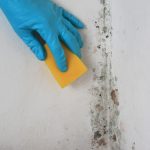
Maintaining clean indoor air goes beyond simply monitoring; it involves taking actionable steps based on the data collected. Regular cleaning, minimizing the use of harsh chemicals, ensuring proper ventilation, and investing in high-quality air filters can all contribute to a healthier home. Additionally, controlling humidity levels helps prevent mold growth, while frequent pet grooming reduces airborne dander.
Education is also key. Understanding which activities and products impact indoor air quality empowers families to make informed decisions about their living environment. By staying vigilant and proactive, parents and pet owners can significantly reduce the likelihood of health issues related to poor air quality.
Protecting children and pets from indoor air pollution is a priority for every household. Utilizing residential air quality monitoring provides essential insights, enabling families to detect and address potential hazards before they become serious health concerns. By combining monitoring with practical measures, every home can become a cleaner, safer place for all its occupants. Prioritizing air quality is a simple yet powerful way to support the health of those who matter most.