A plumbing emergency rarely picks a convenient moment. It shows up as a pipe that lets go at 2 a.m., a toilet that overflows minutes before guests arrive, or a water heater that floods the garage on a Sunday morning. In those first few minutes, what you do — or don’t do — often makes the difference between a quick repair and a claim on your homeowner’s insurance.
The good news is that you don’t need to be a tradesperson to take smart, damage-limiting action while help is on the way. Here in Houston, where older homes, shifting clay soil, and the occasional hard freeze put real stress on plumbing systems, knowing these steps ahead of time is one of the most useful things a homeowner can do. Here’s a calm, practical playbook for the moments before the plumber walks through your door.
SHUT OFF THE WATER FIRST
Almost every plumbing emergency gets smaller the moment the water stops flowing. Your first move should always be to cut the supply.
For a single fixture — a toilet, sink, or faucet — look for the small shutoff valve on the wall or under the cabinet and turn it clockwise until it stops. For a water heater leak, a burst pipe, or anything you can’t isolate at the fixture, go straight to the main shutoff valve. In most Houston homes, the main valve is near the front of the house where the line enters, often by an outside wall, in the garage, or in a box near the street. Newer homes usually have a quarter-turn lever; older ones have a round wheel you’ll need to turn several times.
If you’ve never located your main shutoff, find it today, before you need it. Make sure everyone in the household knows where it is and that it actually turns. A valve that’s seized from age won’t help you in a crisis — and that’s worth having checked during a routine service visit.
KILL THE POWER IF WATER IS NEAR ELECTRICITY
Water and electricity are a dangerous combination. If a leak is near outlets, appliances, or your electrical panel — or if water is pooling on the floor of a room with powered devices — turn off the electricity to that area at the breaker box before you step into the water. If you can’t reach the panel safely without crossing standing water, stay out and wait for a professional. No repair is worth a shock.
TURN OFF THE WATER HEATER
If you’ve shut off the main water supply, don’t forget the water heater. A tank that keeps heating without incoming water can overheat and be damaged. For a gas unit, turn the dial to “pilot.” For an electric unit, switch off its dedicated breaker. This small step protects an expensive appliance while the larger problem gets sorted out.
CONTAIN THE DAMAGE
Once the water is off, shift to protecting your home. Lay down towels and grab buckets to catch active drips. Move furniture, rugs, electronics, and anything valuable away from the wet area. If water has reached the ceiling below an upstairs leak, a small drainage hole in a bulging spot can actually prevent a larger collapse — but only do this if it’s safe to reach. Mop up what you can, and get air moving with fans to slow mold growth, which can take hold quickly in Houston’s humidity.
RELIEVE PRESSURE IN THE LINES
After the main valve is closed, open the lowest faucets in the house — and an outside spigot if you have one — to drain the remaining water from the pipes. This relieves pressure and reduces how much water escapes from a burst or cracked line while you wait. Don’t forget to turn these back off before the system is repressurized.
COMMON HOUSTON EMERGENCIES AND QUICK RESPONSES
A burst or leaking pipe: shut off the main, drain the lines, and contain the water. Burst pipes are most common after a hard freeze, so this is the freeze-season scenario to rehearse.
An overflowing toilet: lift the tank lid and push the flapper down to stop water entering the bowl, then close the toilet’s shutoff valve. Avoid flushing again until it’s cleared.
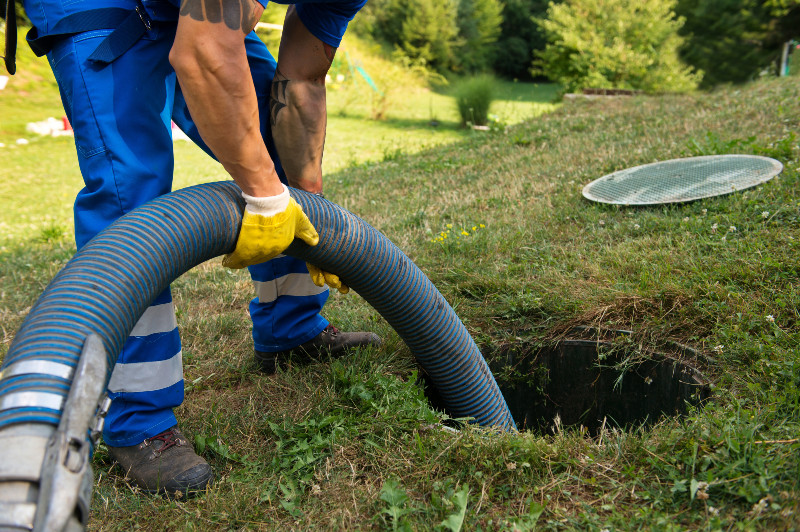
A sewer backup: stop using all water immediately — every drain you run adds to the backup. Keep people and pets away from the contaminated area, since sewage is a health hazard, and don’t attempt chemical fixes.
A water heater leak: shut off the water heater and its supply line, then the main if needed. A leaking tank usually signals it’s near the end of its life and will need professional attention.
No water at all: check whether neighbors are affected (a possible city issue) versus just your home, which may point to a main line or valve problem worth a professional’s eyes.
WHEN IT’S TIME TO CALL A PROFESSIONAL
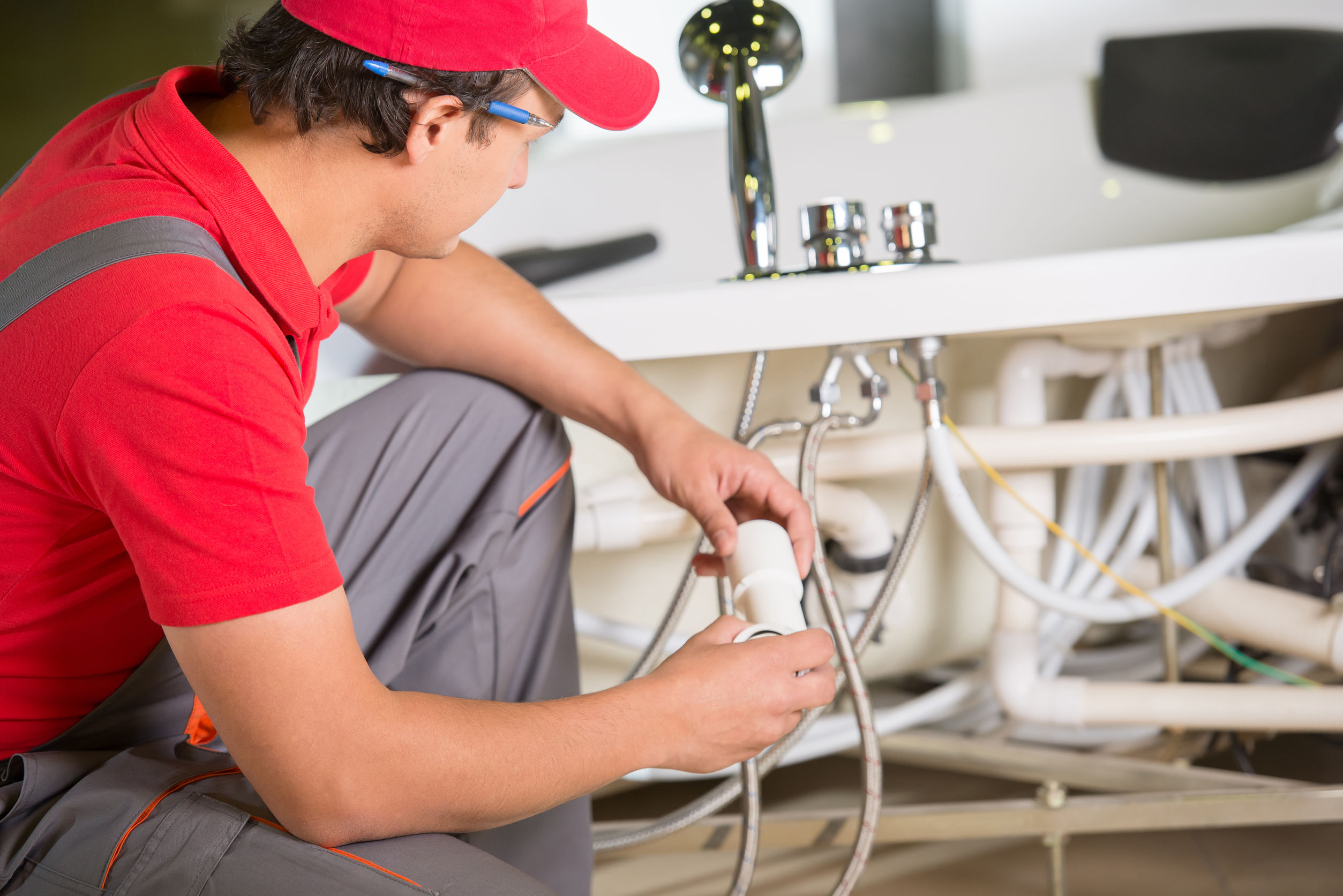
The steps above are about damage control, not permanent repair. Once you’ve stopped the water and protected your home, the next call should be to a licensed plumber who can actually diagnose and fix the cause. Burst pipes, sewer backups, gas odors, and water heater failures aren’t DIY territory — they involve code requirements, specialized tools, and safety risks that a quick patch won’t address.
That’s the moment to have a 24/7 emergency plumber in Houston on the way, because the faster a trained tech is at your door, the sooner the underlying problem is solved and the less your home suffers. A good emergency plumber will also walk you through what to do over the phone while they head out, so you’re never standing there guessing.
WHAT NOT TO DO
A few well-meant moves can make a bad situation worse. Don’t reach for chemical drain cleaners on a serious clog or backup — they rarely fix structural issues and can damage pipes and harm anyone who later works on the line. Don’t ignore a “small” leak with the plan to deal with it later; even a slow drip behind a wall can rot framing and feed mold for weeks. And never try to repair or relight a gas line yourself. If you smell gas, leave the house, leave the door open, and call your gas utility and a licensed plumber from somewhere safe.
A LITTLE PREPARATION GOES A LONG WAY
The homeowners who get through plumbing emergencies with the least stress are the ones who prepared before anything went wrong. Know where your main shutoff is and confirm it turns. Keep your water heater’s location and breaker in mind. Have a trusted, licensed, and insured local plumber’s number saved before you need it. And if your home is older or you’ve had recurring issues, a proactive inspection can catch the weak points — aging pipes, a tired water heater, a sluggish sewer line — before they turn into a 2 a.m. emergency.
Plumbing problems are stressful, but they don’t have to be catastrophic. Stop the water, protect your home, stay safe around power and gas, and get a professional moving. Do those things in order, and you’ve already handled the hardest part of any plumbing emergency.